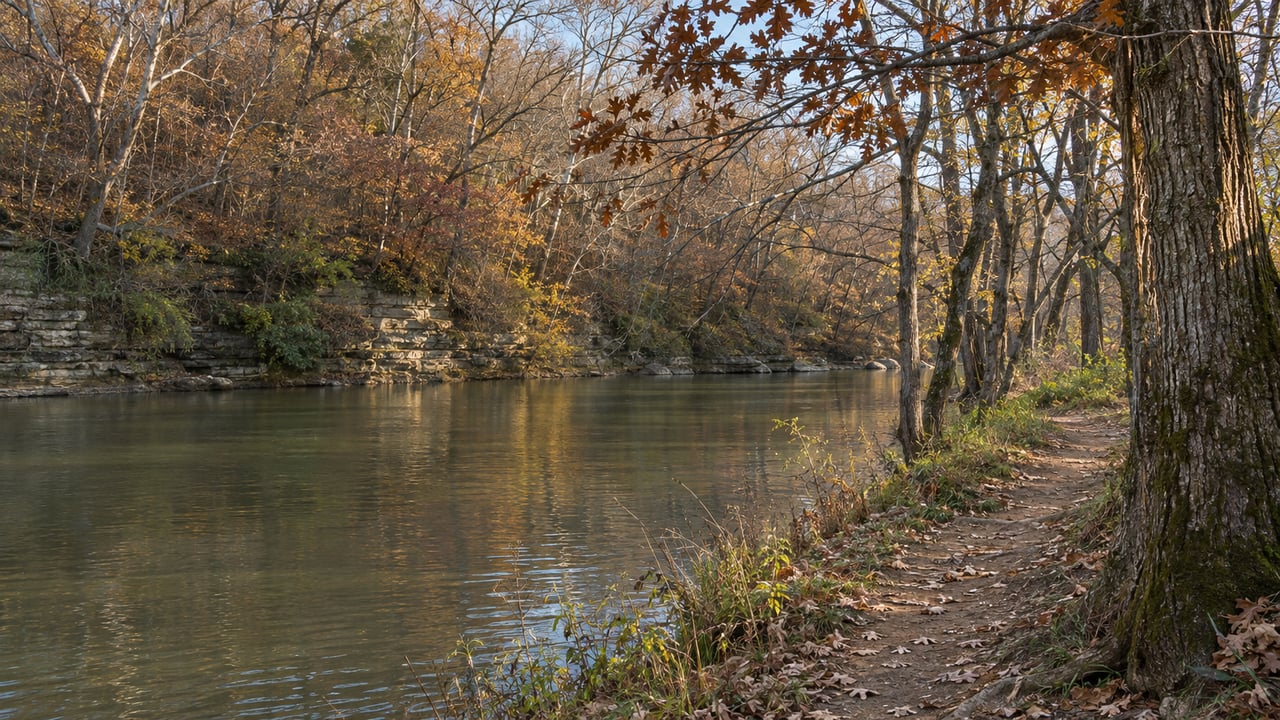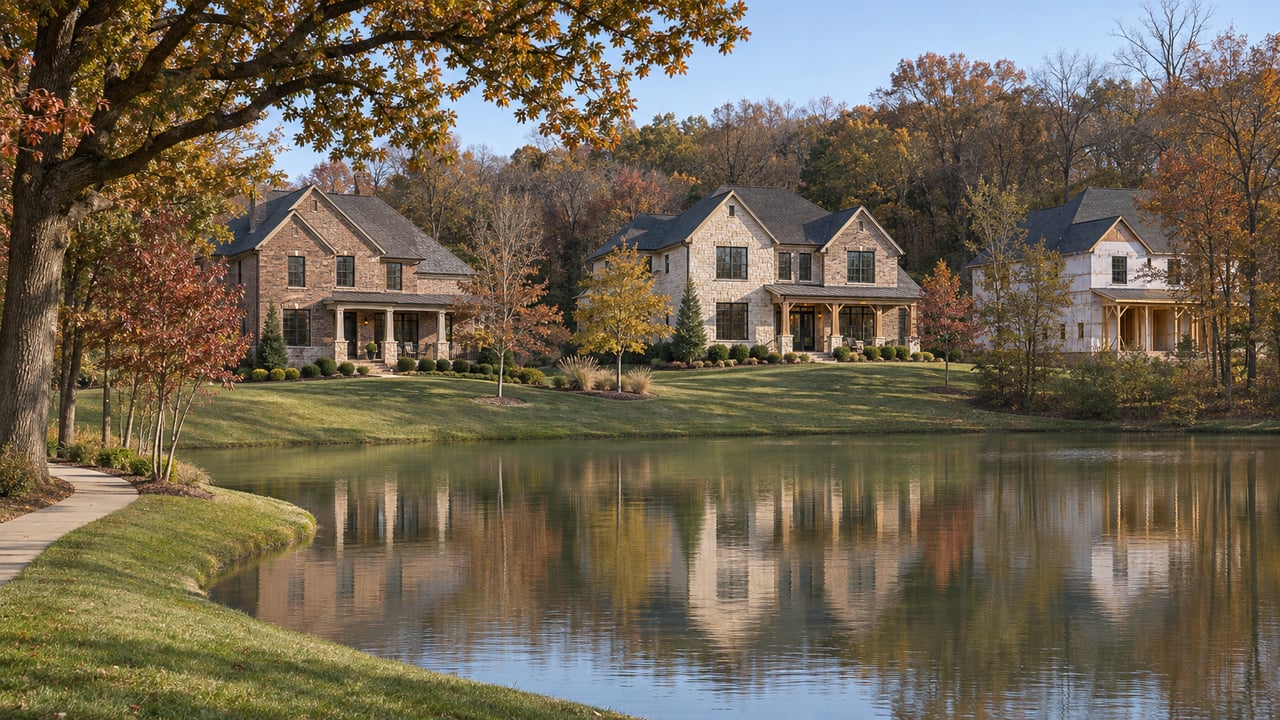
Dreaming of a quiet homesite along the Duck River or a small farm within easy reach of Nashville? Buying acreage in Hickman or Marshall County feels exciting, but the details can be confusing if you have only bought in town before. In this guide, you’ll learn what to check first, how to confirm buildability, who to call locally, and a simple timeline that keeps you on track. Let’s dive in.
Why consider Hickman and Marshall
You get room to breathe, varied terrain, and a mix of uses that fit many goals: a primary homesite, a weekend retreat, or a small livestock or timber tract. Marshall County offers convenient access on I‑65 and is commonly described as less than an hour from Nashville, which many buyers like for a balanced commute and acreage lifestyle. For commuting and business context, review the Marshall County Economic Development resources.
Know the local rules
Zoning and permits
Counties set what you can build, where, and how. Hickman County publishes a detailed Zoning Resolution that covers access to public roads, setbacks, and special uses. If a parcel does not meet access rules, it can limit building until corrected. Review the Hickman County Zoning Resolution and call the county planning office with questions.
Marshall County enforces permits through its Codes & Zoning office. Before any work starts, confirm permits, inspections, and timelines with the county. Their building FAQ outlines common questions about setbacks, applications, and penalties for unpermitted work.
Septic and wells first
Most rural parcels rely on a private well and an on‑site septic system. In Tennessee, a subsurface sewage disposal system (septic) construction permit is required before you build. Soil type, slope, and space for a primary and reserve drainfield control whether a standard or engineered system is possible. The state allows certain third‑party engineers and soil scientists to prepare septic permit packages, which can speed things up in some cases. Plan for testing, design, and permitting time before you finalize building plans.
Floodplain and soils
Flood status and soils can make or break buildability. Check FEMA flood maps for Special Flood Hazard Areas and note any elevation or construction rules that apply. Then review soils to flag shallow bedrock, hydric soils, sinkholes, or steep slopes that affect septic and foundation design. A site walk with a qualified professional is essential.
Utilities and access
Electric service
In rural parts of both counties, the local electric cooperative serves most areas. Contact Duck River Electric Membership Corporation (DREMC) to confirm service availability, pole locations, and any line‑extension costs. Ask about overhead versus underground options and membership deposits.
Water and sewer
Town centers like Centerville and Lewisburg often have municipal water and sewer. Many parcels outside town limits will rely on a private well and septic. Do not assume public hookups are available. Confirm whether the parcel lies inside a utility district or within a feasible extension distance.
Legal road access
Before you write an offer, verify that the parcel has legal access by public road or a recorded easement. Some zoning rules require that a lot abut a public street. If access is by private easement, confirm it is recorded and wide enough for utilities and a driveway.
Before‑you‑buy checklist
Use this quick checklist to focus your due diligence. Complete items 1–5 before you make an offer, or write them into your contract as contingencies.
- Verify legal access
- Confirm frontage on a public road or a recorded easement. Ask the seller for the deed and any easement documents. Compare to county parcel maps.
- Screen flood risk
- Check FEMA maps for flood zones. If any portion is in a Special Flood Hazard Area, plan for elevation rules and possible flood insurance.
- Run a soils pre‑check
- Use the NRCS soil maps as a quick screen, then plan a site visit. If soils look limited, budget for a certified soil scientist to map and design a system.
- Confirm septic pathway
- Ask if there is a septic permit on file for existing systems. If building new, contact a TDEC‑recognized soil scientist or engineer to begin the permit process.
- Check utilities
- Call the local electric co‑op for service territory and line‑extension estimates. Ask if underground service is an option and where the nearest transformer is.
- Call county codes and zoning
- Ask about minimum lot size, setbacks, accessory structures, and any special approvals for uses like RVs, guest houses, or home businesses.
- Order title and survey
- Have a title company check for liens, rights‑of‑way, and mineral reservations. Hire a licensed surveyor for accurate boundaries and to avoid fence‑line disputes.
- Budget for site work
- Price driveway and culvert needs, clearing, erosion control, and well drilling if needed. A low list price can mask high site‑prep costs.
A simple 45 to 90 day timeline
Weeks 1 to 2: Preliminary screening and offer
- Verify access, flood maps, and soils at a high level. Write an offer with septic, survey, and title contingencies.
Weeks 2 to 6: Septic and survey
- Engage a soil scientist or engineer for field work and septic design. Start the survey. If needed, begin well feasibility checks.
Weeks 4 to 8: Utilities and permitting
- Coordinate with the electric co‑op on service plans and estimates. Submit septic permits and any driveway or entrance permits.
Weeks 6 to 10: Final checks and close
- Resolve title questions, confirm permit statuses, and align construction timing with county inspections. Close once contingencies are satisfied.
Timelines vary with weather, soils, and agency workload. Engineered systems or complex sites can add weeks.
Costs to expect
- Septic: Standard gravity systems are typically less expensive than engineered designs for steep, shallow, or high‑water‑table sites. Permit steps and design requirements are driven by state rules, so expect costs to vary with soils and slope.
- Electric: Line extensions, new poles, transformers, and underground service add cost. Confirm with the co‑op before budgeting.
- Driveway and drainage: New entrances often need culverts and county approval, which adds materials and labor.
- Survey and title: Boundary surveys and title work prevent surprises and are standard on rural deals.
Local contacts and resources
- Hickman County Zoning Resolution: access rules, setbacks, special uses. Review the full document here: Hickman County Zoning Resolution.
- Marshall County permits and inspections: start with the Marshall County Building FAQ for process and contacts.
- Septic permitting and third‑party submittals: state rules and guidance from TDEC Subsurface Sewage Disposal Systems.
- Electric service: confirm territory and extension estimates with Duck River Electric Membership Corporation.
- Flood maps: check parcel status at the FEMA Flood Map Service Center.
- Soils and site constraints: start with the NRCS Web Soil Survey guidance in this TN resource document.
- Property tax basics: review state guidance on local assessments from TN Department of Revenue. Contact your county assessor for current rates.
- UT Extension: local programs and practical help for small farms and land stewardship at UT Extension Hickman County.
- Community and commute context: business and access insights from the Marshall County Economic Development site.
Buying with confidence
The keys to buying land in Hickman or Marshall are simple: confirm access, prove out septic and water, understand the floodplain and soils, and plan utilities and permits before you close. With a clear checklist and the right local partners, you can move from dream to dirt with fewer surprises. If you want a seasoned guide to coordinate the moving parts and keep your contract protected, connect with Roten Partners, LLC to get started.
FAQs
How do I confirm septic feasibility in Hickman or Marshall County?
- Start with a soils screen, then hire a TDEC‑recognized soil scientist or engineer to map and design a system and guide you through the state septic permit.
Where do I check floodplain status for a rural parcel?
- Use FEMA’s online flood maps to see if any part of the property lies in a Special Flood Hazard Area and what construction or elevation rules may apply.
Who provides electricity to rural areas near Centerville and Lewisburg?
- Much of the rural territory in both counties is served by the local electric co‑op. Call ahead to confirm service availability and any line‑extension costs.
Can I divide my acreage into smaller lots later?
- Possibly. County zoning and subdivision rules control minimum lot sizes, access, and platting. Speak with the county planning or codes office before you buy.
How long does the septic process usually take?
- Depending on soils, slope, and workload, septic design and permitting can take weeks to months. Build this time into your due diligence and closing timeline.