If you want a place where lake weekends and Nashville workdays can both fit into real life, Wilson County deserves a closer look. For many buyers, the challenge is finding a home base that gives you room to breathe without feeling cut off from daily conveniences. This guide will help you understand what living in Wilson County can look like, from commute options and housing styles to parks, lakes, and local hubs for shopping and dining. Let’s dive in.
Why Wilson County Stands Out
Wilson County blends fast growth with a lifestyle that still feels connected to open space and outdoor recreation. The county covers 583.27 square miles in Middle Tennessee, and its population is estimated at 175,033 in 2025, which reflects continued growth since 2020.
That growth is happening in a county where homeownership remains a major part of the housing picture. Census QuickFacts reports a 77.0% owner-occupied housing rate, a median owner-occupied home value of $428,000, median gross rent of $1,486, and 1,927 building permits in 2024.
For you as a buyer or seller, that points to a market with strong residential demand and ongoing expansion. It also helps explain why Wilson County continues to attract people looking for more space, suburban convenience, and access to the outdoors.
Lake Life Is a Real Perk
One of Wilson County’s biggest lifestyle advantages is how close you are to major water recreation. This is not just a county with a few scattered outdoor spots. It is a place where lake access can become part of your normal routine.
Percy Priest Lake Access
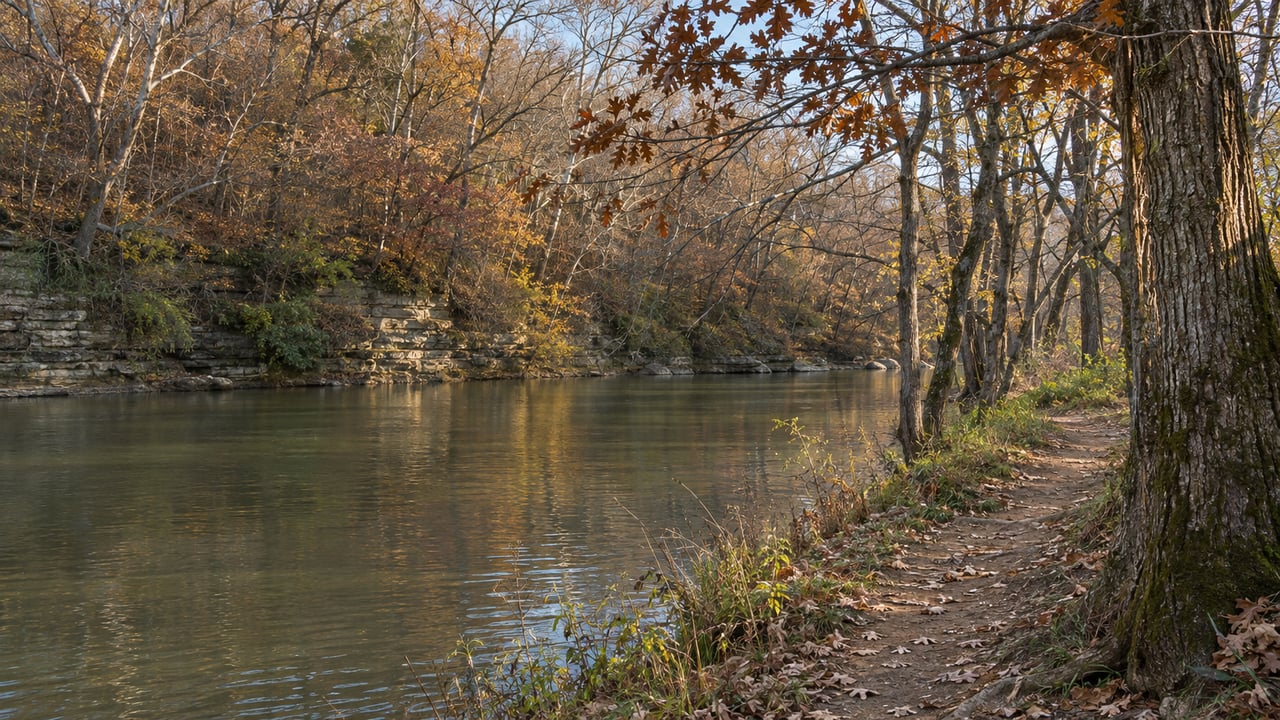
Percy Priest Lake covers portions of Wilson, Davidson, and Rutherford counties and includes 14,200 surface acres. The U.S. Army Corps of Engineers notes that the lake is close enough to downtown Nashville for lakeside recreation to fit into an ordinary weekend.
That matters if you want flexible free time without planning a full getaway. Activities at Percy Priest Lake include boating, canoeing, fishing, hunting, camping, picnicking, hiking, horseback riding, and bank-fishing access.
Old Hickory Reservoir Options
Old Hickory Reservoir gives Wilson County another major water-based recreation option. According to the Tennessee Wildlife Resources Agency, this 22,500-acre impoundment on the Cumberland River includes 44 public boat access sites, 11 marinas, and eight fishing piers.
You also have boating, fishing, water-skiing, and camping opportunities tied to the reservoir. For buyers comparing suburban counties around Nashville, having access to both Percy Priest and Old Hickory is a meaningful lifestyle advantage.
Parks and Outdoor Spaces
Lake access is a headline feature, but everyday outdoor living in Wilson County goes well beyond the shoreline. Whether you want a walking trail, playground, splash pad, or a larger natural setting, the county offers several practical options.
Cedars of Lebanon Area
Cedars of Lebanon is one of the county’s most distinctive natural areas. The Tennessee Division of Forestry says Cedars of Lebanon State Forest is in the southern part of Wilson County and covers 5,271 acres.
That area includes a 1,034-acre natural area and an adjacent 831-acre state park. If you are drawn to a more rural, outdoor-oriented setting, this part of the county offers a very different feel from the busier city-centered areas.
Mt. Juliet and Lebanon Parks
For day-to-day recreation, Mt. Juliet and Lebanon both offer city-run park systems with easy-access amenities. In Mt. Juliet, Charlie Daniels Park includes a fenced playground, splash pad, skate park, pickleball, tennis, basketball, pavilion rentals, and a one-mile walking track connected to the Cedar Creek Greenway.
In Lebanon, Don Fox Park includes picnic areas, a swimming pool, a walking track, and a 2.5-mile paved trail. These kinds of parks can shape your daily quality of life in a very practical way, especially if you want nearby places to walk, relax, or spend time outdoors close to home.
Everyday Convenience in Wilson County
Lifestyle is not only about recreation. It is also about how easy it feels to run errands, meet friends for dinner, or spend time in a walkable local district.
Lebanon Convenience Hub
Lebanon offers one of the clearest convenience anchors in the county. The city’s economic development page describes Historic Downtown Lebanon as a bustling area for shopping, dining, entertainment, local and regional brews, and heritage tourism.
Lebanon also sits on I-40 and has access to I-840, which supports both local mobility and regional travel. If you want a mix of local character and practical road access, Lebanon checks a lot of boxes.
Mt. Juliet Convenience Hub
Mt. Juliet is another major draw for buyers who want suburban convenience. The city highlights that it has the largest shopping complex between Nashville and Knoxville, along with hundreds of restaurants and shops.
Mt. Juliet also brands itself as the City Between the Lakes, which fits its balance of retail convenience and outdoor access. If you want a location where errands, dining, recreation, and commuting are all easier to combine, Mt. Juliet often stands out.
What the Commute Looks Like
For many buyers, commute time can make or break a move. Wilson County offers a blend of highway access and weekday rail service that gives you more than one way to think about getting into Nashville.
Census QuickFacts lists the county’s mean travel time to work at 30.1 minutes. That does not define every commuter’s experience, but it is a helpful benchmark if you are weighing convenience against the tradeoff of living farther out.
Driving Routes
Road access is a major part of Wilson County’s appeal. Lebanon sits on I-40 and connects to I-840, while Mt. Juliet also highlights I-40 connectivity.
For many residents, that means you can live in a county with more space and still maintain workable access to Nashville and other parts of Middle Tennessee. If your schedule depends on predictable highway access, that can be a big plus.
WeGo Star Rail Service
Lebanon is the origination point for the WeGo Star commuter rail to Riverfront in downtown Nashville. WeGo says the Star operates every weekday in the mornings and afternoons for East Corridor travel to and from downtown.
Lebanon also notes Park & Ride access at the station, and Mt. Juliet highlights the rail link to downtown as part of its quality of life. If you work traditional weekday hours, rail access may add a useful layer of flexibility to your home search.
Housing Styles and Location Choices
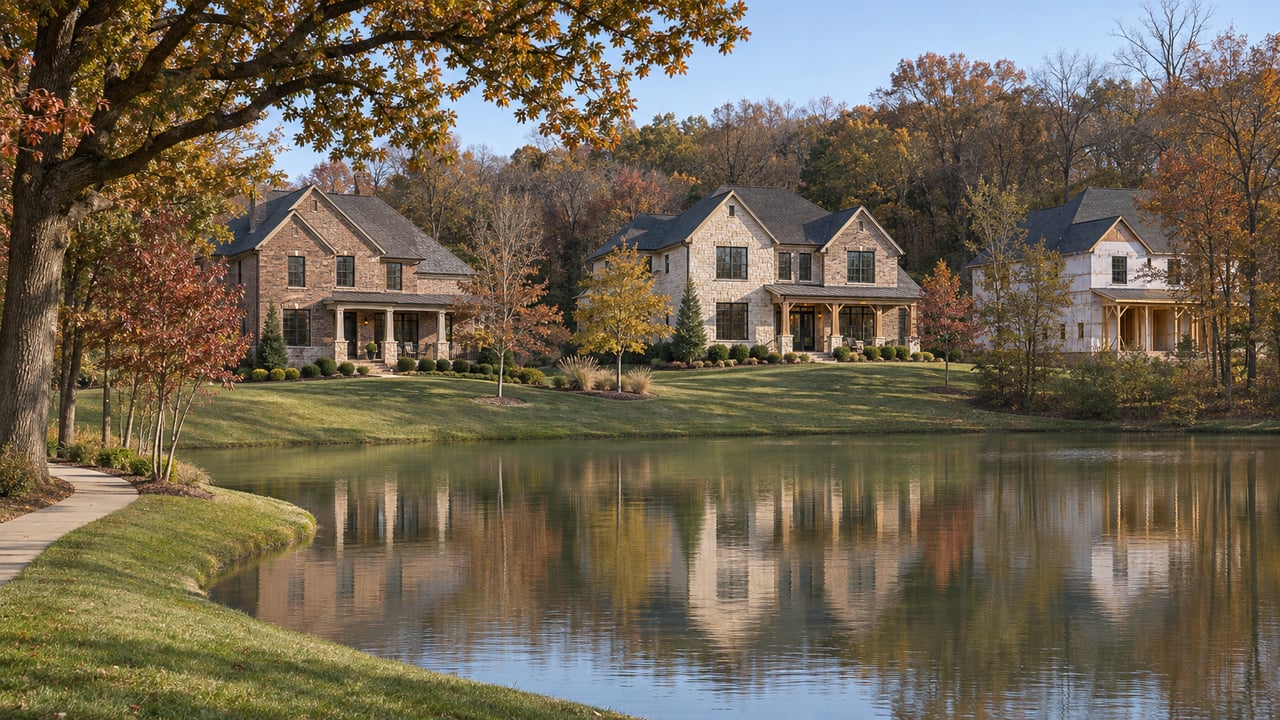
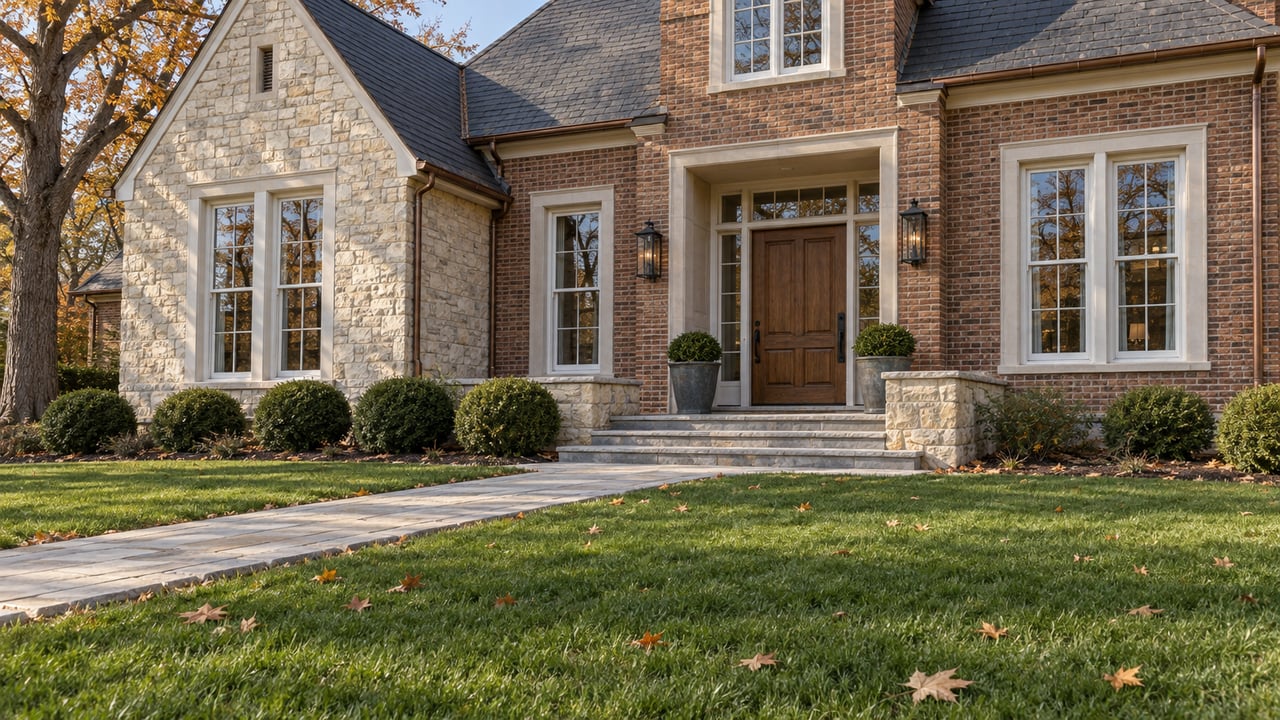
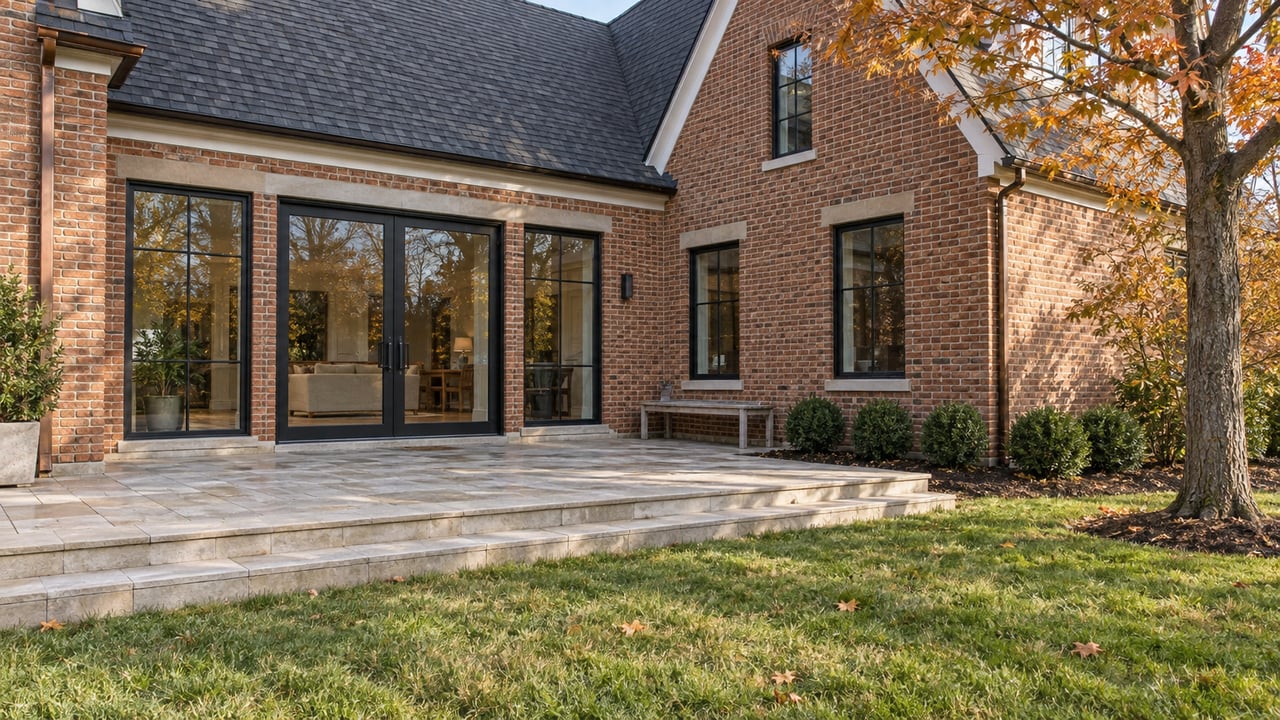
Wilson County is not a one-size-fits-all market. Based on the county’s land-use, zoning, and greenbelt information, the housing mix can include suburban subdivisions and townhomes along with acreage, farm, and greenbelt properties in more rural areas.
That variety is important if you are trying to match your home search to your lifestyle instead of forcing your lifestyle into a single type of neighborhood. Some buyers want newer suburban housing near shopping and commuter routes, while others want more land, privacy, or outdoor access.
Lebanon and Mt. Juliet Lifestyle
Lebanon and Mt. Juliet offer the strongest mix of shopping, parks, rail access, and proximity to lake recreation. If you want a suburban feel with everyday convenience, these are often the most practical places to start.
They can work especially well for buyers who want easier access to restaurants, retail, major roads, and city-run amenities. Sellers in these areas may also benefit from strong visibility among buyers looking for a commute-friendly location.
Outer County and Southern Areas
The southern and outer parts of Wilson County tend to feel more rural and outdoor-oriented, especially near Cedars of Lebanon. If you want more open land or a quieter setting, these areas may offer a better fit.
At the same time, a more rural location can mean a different balance between privacy and convenience. That is why it helps to define your daily priorities early, especially around drive times, property type, and access to services.
Is Wilson County Right for You?
Wilson County can be a strong fit if you want a home base that supports both recreation and regional access. The appeal is not just one feature. It is the combination of lakes, parks, growing housing options, local shopping and dining hubs, and workable Nashville commute routes.
If you are buying, it helps to compare areas based on how you actually live each day. If you are selling, understanding which lifestyle features buyers value most can shape smarter pricing, positioning, and marketing.
When you are ready to explore Wilson County with a local, consultative strategy, Roten Partners, LLC can help you navigate the market with clarity and confidence.
FAQs
What is living in Wilson County, TN like for commuters?
- Wilson County offers highway access through routes like I-40, and Lebanon is the origination point for the WeGo Star commuter rail to downtown Nashville. Census QuickFacts lists the county’s mean travel time to work at 30.1 minutes.
What lakes are near homes in Wilson County, TN?
- Wilson County is tied to both Percy Priest Lake and Old Hickory Reservoir, giving residents access to boating, fishing, camping, hiking, and other water-based recreation.
What are the main cities in Wilson County, TN?
- The county profile identifies Mt. Juliet as the largest city, and it also breaks out population for Lebanon and Watertown, with additional residents living outside city limits.
Does Wilson County, TN have parks and trails?
- Yes. Examples include Charlie Daniels Park in Mt. Juliet, Don Fox Park in Lebanon, and the larger Cedars of Lebanon forest, natural area, and state park area in the southern part of the county.
What types of homes can you find in Wilson County, TN?
- Based on county land-use and zoning information, Wilson County includes a mix of suburban subdivisions, townhome-style options, and more rural properties such as acreage and greenbelt land.
Is Wilson County, TN growing?
- Yes. Census QuickFacts estimates the county population at 175,033 in 2025, which is up 18.5% from the 2020 base, and the same source reports 1,927 building permits in 2024.