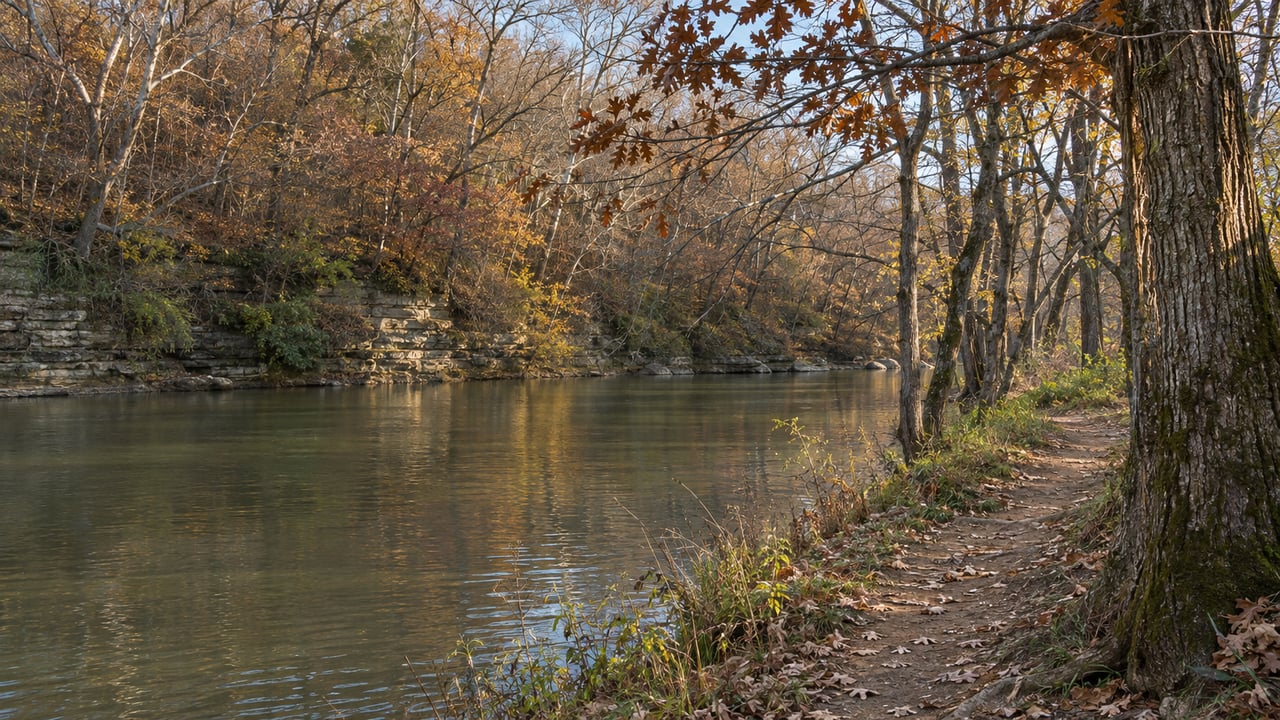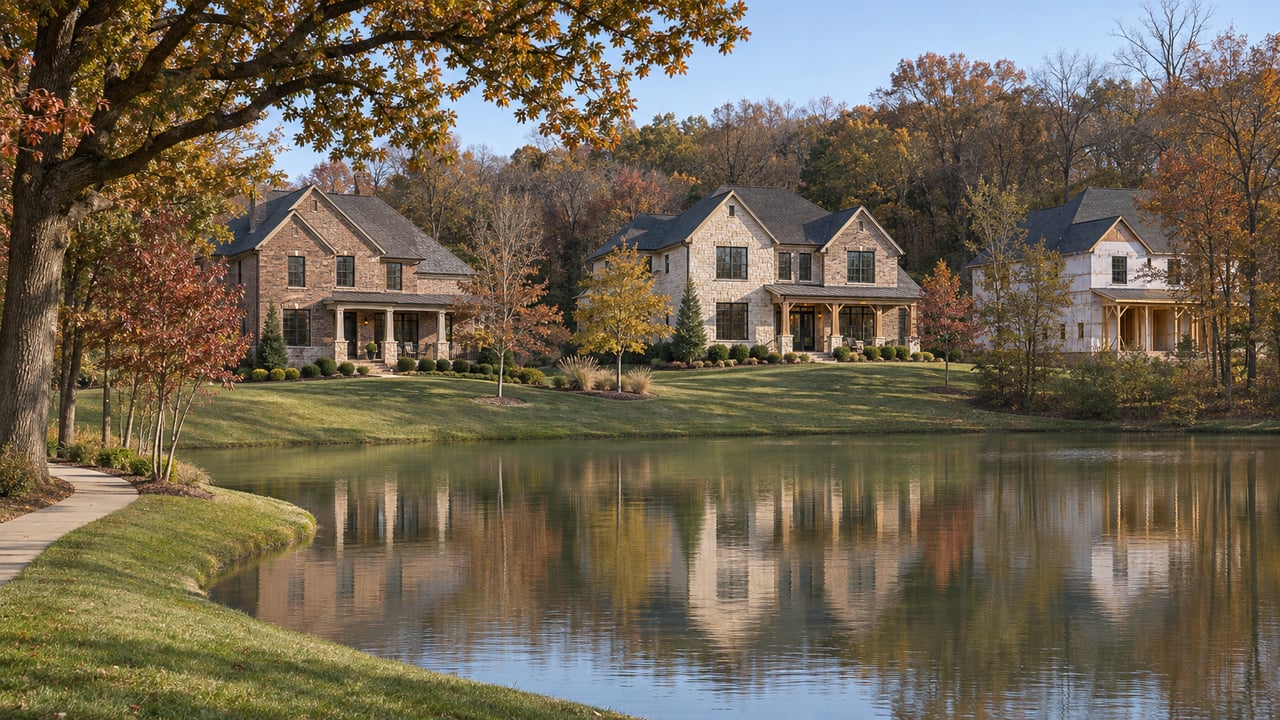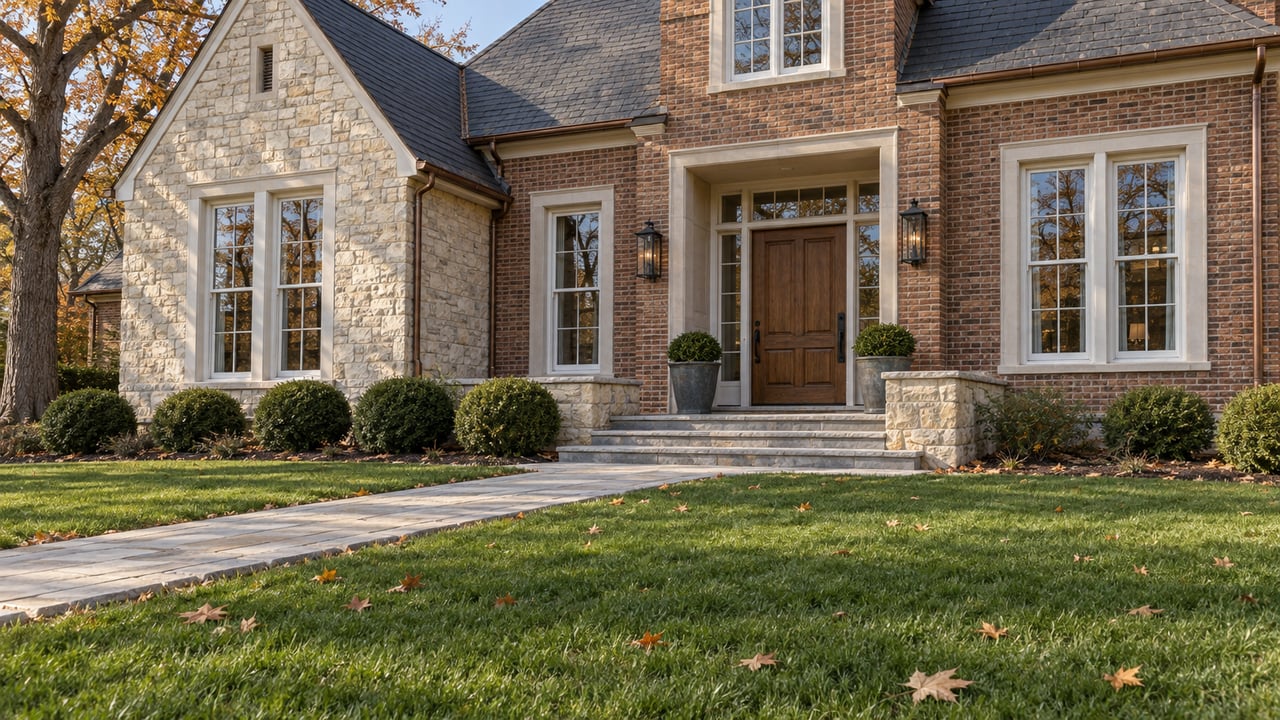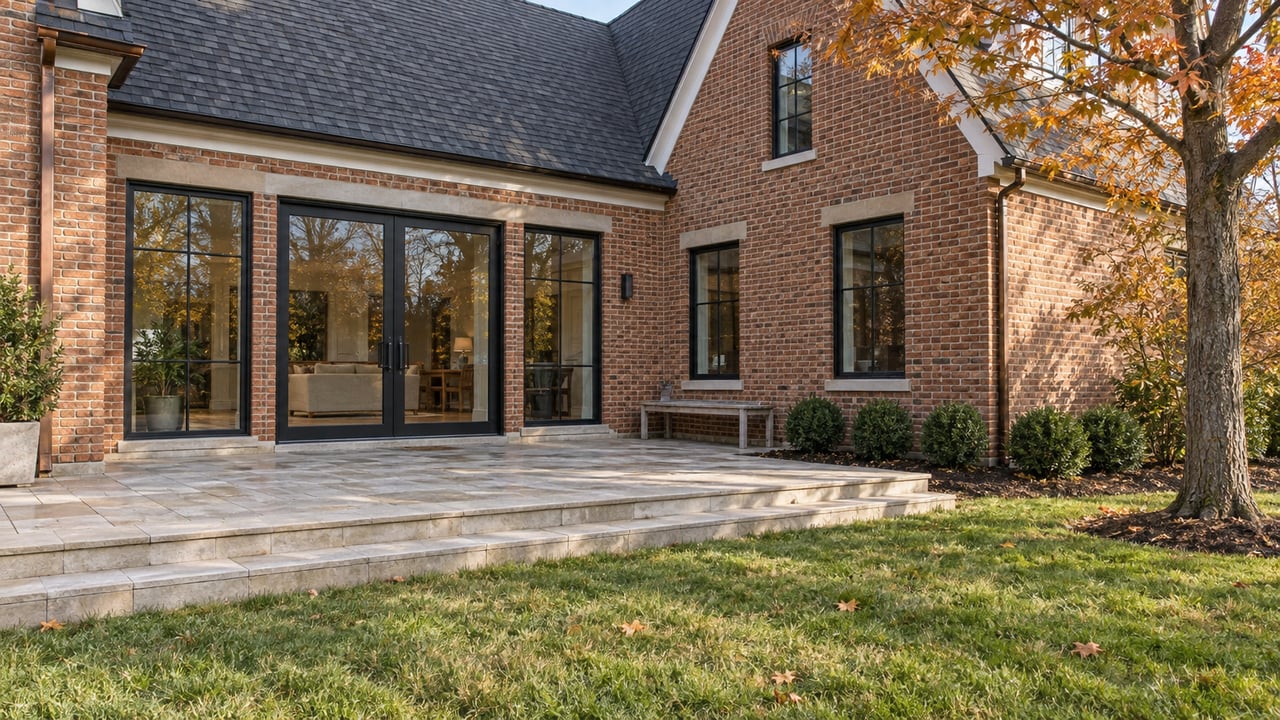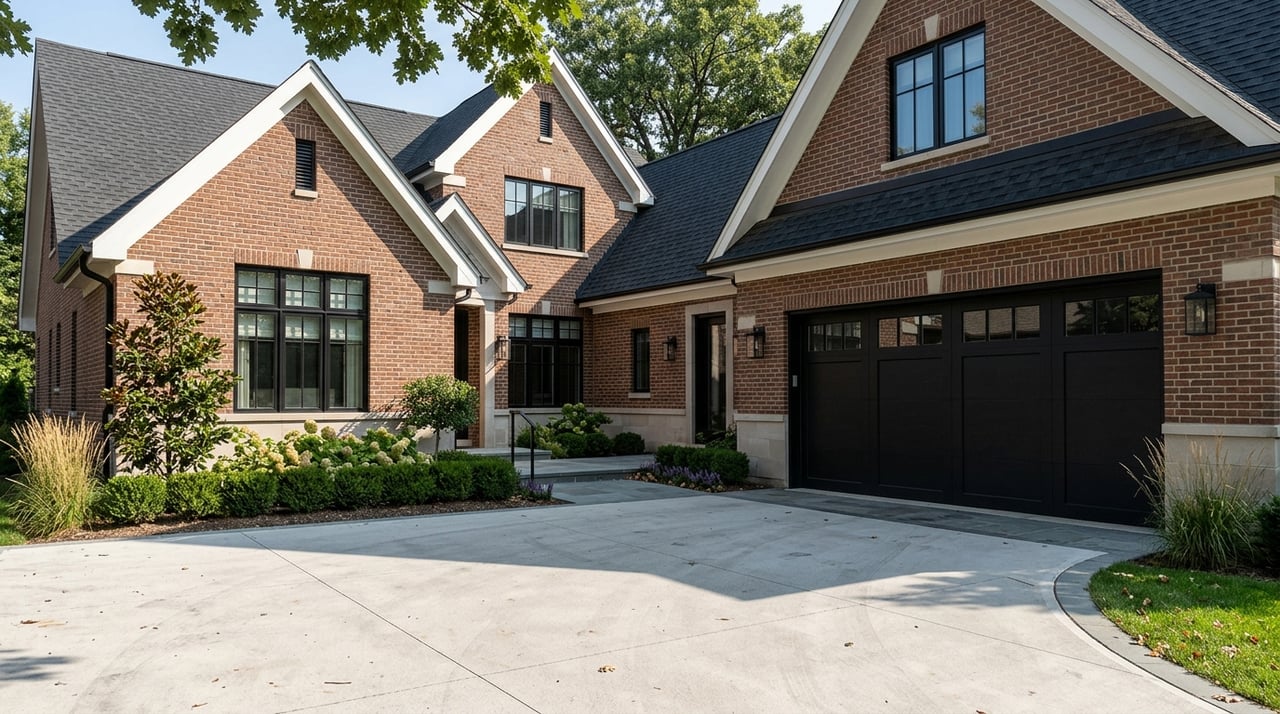
If you want more space, a quieter daily rhythm, or a stronger sense of separation from the city, you do not have to give up Nashville access to get it. Many buyers around Middle Tennessee are trying to balance lifestyle, commute, and housing goals all at once, and the answer is rarely one perfect suburb for everyone. The better question is which suburban tradeoff fits your life best. Let’s dive in.
Why buyers look beyond Davidson County
Davidson County sets the urban baseline for the Nashville area. Census data show it has a mean commute of 24.7 minutes, 1,421.3 people per square mile, a 52.8% owner-occupied housing rate, a median owner value of $417,400, and 2.14 persons per household.
That matters because the counties around Nashville look meaningfully different. Williamson, Rutherford, Sumner, and Wilson counties all show higher owner-occupied housing shares, lower density, and larger household sizes, which points to a more suburban profile overall. In simple terms, you are often choosing more room and a different pace, while still staying connected to the city.
The suburban tradeoff to understand
There is no single suburban story near Nashville. The data point to a spectrum, with each county offering its own mix of housing values, density, commute patterns, and local character.
For many buyers, the choice comes down to four distinct paths:
- Williamson County for a more premium suburban experience
- Rutherford County for value and a larger city center
- Sumner County for lake access and a town-square feel
- Wilson County for east-side convenience, rail access, and airport proximity
Williamson County: premium suburban living
If you picture polished suburban neighborhoods, established community identity, and strong long-term appeal, Williamson County often leads the conversation. It has the highest owner-occupied share of the counties reviewed at 78.8%, the highest median owner value at $751,900, and a mean commute of 27.9 minutes.
That profile supports what many buyers already sense on the ground. Williamson County tends to read as the most upscale suburban option in this group, especially for buyers who want a more refined suburban setting while staying within reach of Nashville.
Franklin offers history and activity
Franklin blends history and daily convenience in a way that appeals to many move-up and relocation buyers. The city highlights a 15-block historic district, Main Street shopping and dining, festivals, Civil War sites, and a mix of historic character and newer growth.
If you want a suburb that still feels active and anchored by a recognizable downtown, Franklin stands out. It can offer a suburban home base without feeling disconnected from shopping, events, and local identity.
Brentwood offers parks and quick access
Brentwood presents another version of suburban living near Nashville. The city describes itself as a suburb of Nashville in Williamson County, notes that about 90% of its zoning is residential, and highlights 14 parks with 1,027 acres of parks and greenways.
Its history also points to growth shaped by I-65 and easy accessibility to Nashville. For buyers who care about green space, residential character, and a direct corridor into the city, Brentwood remains one of the clearest examples of suburban access without complete separation.
Rutherford County: value with city energy
Rutherford County offers a different kind of suburban appeal. It has a 64.8% owner-occupied housing rate, a mean commute of 28.1 minutes, a median owner value of $382,600, and density of 551.4 people per square mile.
Compared with Williamson County, Rutherford reads as a value-and-space alternative. You are still outside Davidson County, but you are also tied to a larger city center in Murfreesboro, which can appeal if you want suburban housing options without giving up a more active local core.
Murfreesboro feels more city-like
Among the outer counties, Rutherford is the most city-like. Murfreesboro highlights its downtown square, cultural arts programming, a greenway system of more than 17 miles, and major parks such as Barfield Crescent Park.
That can be attractive if you want more than a bedroom community. Murfreesboro offers its own center of gravity, so your day-to-day life may feel less dependent on driving into Nashville for everything.
Road access supports regional mobility
Current city planning materials say Murfreesboro’s roadway system is anchored by I-24 and also benefits from I-840. For buyers who expect regular travel around the region, those connections help explain why Rutherford often stays in the conversation.
The tradeoff is straightforward. You may gain value and a larger-city suburban setting, while still accepting a commute profile that is a bit longer than Davidson County’s average.
Sumner County: lake access and town-center feel
Sumner County often fits buyers who want a suburb with both outdoor recreation and a recognizable downtown identity. Census data show a 72.0% owner-occupied share, a 29.0-minute mean commute, a median owner value of $393,100, and density of 370.7 people per square mile.
That puts Sumner in an appealing middle ground. It offers lower density and stronger ownership patterns than Davidson County, while keeping Nashville within reach through established commuter routes.
Gallatin anchors the county
Gallatin gives Sumner County much of its character. The city says Downtown Gallatin Square was established in 1802 and now features shops, restaurants, attractions, and events.
For many buyers, that kind of town center creates a sense of place that newer suburban areas sometimes lack. It can make daily life feel more rooted, especially if you enjoy having a historic square as part of your routine.
Outdoor access is a major draw
Gallatin’s parks and trails resources highlight Old Hickory Lake fishing, biking along the lake, downtown greenways, mountain biking, and other outdoor recreation. If your ideal suburban setup includes both neighborhood living and easy access to open-air activities, Sumner has a clear advantage.
Road access also matters here. Gallatin identifies SR 386, also known as Vietnam Veterans Boulevard, as a controlled-access commuter route linking I-65 in Goodlettsville to Gallatin, and notes that US 31E connects the city to Nashville and other regions.
Wilson County: east-side convenience
Wilson County is often the best fit for buyers who prioritize east-side access, more space, and practical transportation options. Census data show a 77.0% owner-occupied share, a 30.1-minute mean commute, a median owner value of $428,000, and density of 258.8 people per square mile.
That makes Wilson one of the lowest-density options in this group. The tradeoff is clear: you may get a more spacious suburban setting, but commute times tend to run the longest among the counties reviewed.
Mt. Juliet brings rail and airport advantages
Mt. Juliet’s official quality-of-life materials describe it as part of the Nashville metro area and frame local life around retail, roads, rivers, and rail. The city also notes that the Music City Star provides six stops ending at Riverfront Park downtown.
That distinction matters because Wilson County is the only one of these four counties with a direct commuter rail option into downtown Nashville. For some buyers, that can be a real quality-of-life benefit, especially if they want an alternative to driving every day.
Mt. Juliet also says it is about a ten-minute commute to BNA, and the city’s public information places it about 20 miles east of downtown Nashville. If airport access is part of your routine, that east-side convenience may stand out more than raw distance to the urban core.
Lebanon adds another town-center option
Lebanon gives Wilson County another point of appeal. Its 15-acre Square Historic Preservation District adds a traditional town-center option that can complement newer suburban growth in the county.
For buyers who want lower density but still appreciate having a defined downtown nearby, that combination can make Wilson feel more balanced than its commute numbers alone suggest.
Commute and access depend on corridor
One of the most useful things to understand about suburban living near Nashville is that access is often corridor-driven. BNA’s official directions route drivers through I-40, I-65, and I-24 depending on where they are coming from, which means your everyday experience is shaped as much by route choice as by mileage.
That is why two suburbs with similar distance to Nashville can feel very different in practice. Your work location, airport habits, and preferred side of town should all shape the decision, not just a map search.
How to choose the right suburban fit
If you are narrowing your search, start by being honest about your top priorities. The strongest choice is usually the one that supports how you actually live, not the one that sounds best in a general ranking.
A simple way to frame your options is this:
- Choose Williamson County if you want a more premium suburban setting with established destinations like Franklin and Brentwood.
- Choose Rutherford County if you want a value-oriented option with a larger city center in Murfreesboro.
- Choose Sumner County if you want lake access, outdoor recreation, and a strong town-square feel in Gallatin.
- Choose Wilson County if you want east-side convenience, commuter rail access, and strong airport proximity.
What this means for your home search
The Nashville area gives you several ways to live suburban without feeling cut off from the city. The right fit depends on whether you care most about price point, space, outdoor access, airport convenience, rail options, or the character of the local town center.
If you are buying or selling in Greater Nashville, it helps to compare these counties through the lens of your real routine. That is where local guidance can make the process clearer, faster, and more confident.
If you are thinking about a move in Franklin, Brentwood, Nolensville, or the surrounding Middle Tennessee counties, Roten Partners, LLC can help you weigh your options and build a plan that fits your goals.
FAQs
What are the best suburbs near Nashville for city access?
- The best fit depends on what you mean by access. Williamson offers strong south-side access, Rutherford connects through I-24 and I-840, Sumner uses routes like SR 386 and US 31E, and Wilson stands out for east-side access plus Music City Star commuter rail.
Is Williamson County more expensive than other Nashville suburbs?
- Yes. In the counties reviewed, Williamson County has the highest median owner value at $751,900, compared with $382,600 in Rutherford, $393,100 in Sumner, and $428,000 in Wilson.
Which county near Nashville offers the lowest density suburban living?
- Wilson County has the lowest density among the counties reviewed at 258.8 people per square mile, which supports a more spacious suburban profile.
Does any suburb near Nashville have commuter rail service?
- Yes. Wilson County, including Mt. Juliet, has access to the Music City Star, which provides weekday morning and afternoon commuter service between Lebanon and downtown Nashville.
Which suburban county near Nashville may offer more value for buyers?
- Rutherford County stands out as a value-and-growth option in this group, with the lowest median owner value reviewed at $382,600 and a larger city center in Murfreesboro.
How does Davidson County compare with the suburbs around Nashville?
- Davidson County is denser, more renter-heavy, and has a shorter mean commute than the surrounding counties reviewed. It works well as the urban benchmark, while Williamson, Rutherford, Sumner, and Wilson each reflect a more suburban housing profile.